
Welcome. We are excited to meet you virtually. If you’ve landed on this page, you are likely drawn to Mary Magdalene, the Cathars, France, and/or the Divine Feminine Sophia energy, or, as some refer to it, the Shekinah, Shakti, or the feminine face of Godde. We work with and teach the Gnostic Wisdom that Mary Magdalene and Yeshua (Jesus) shared over two thousand years ago, bringing it anew into modern times.
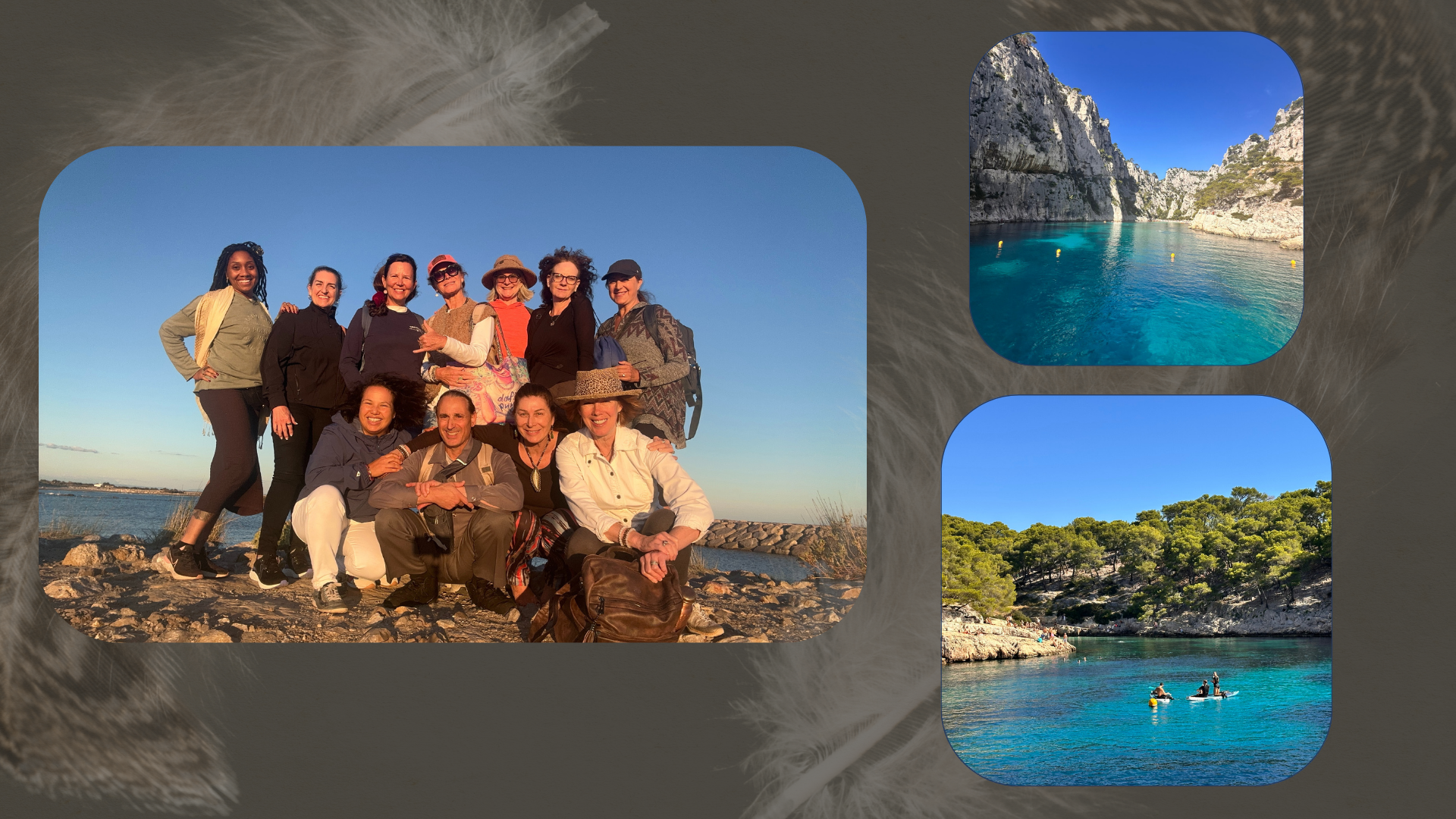
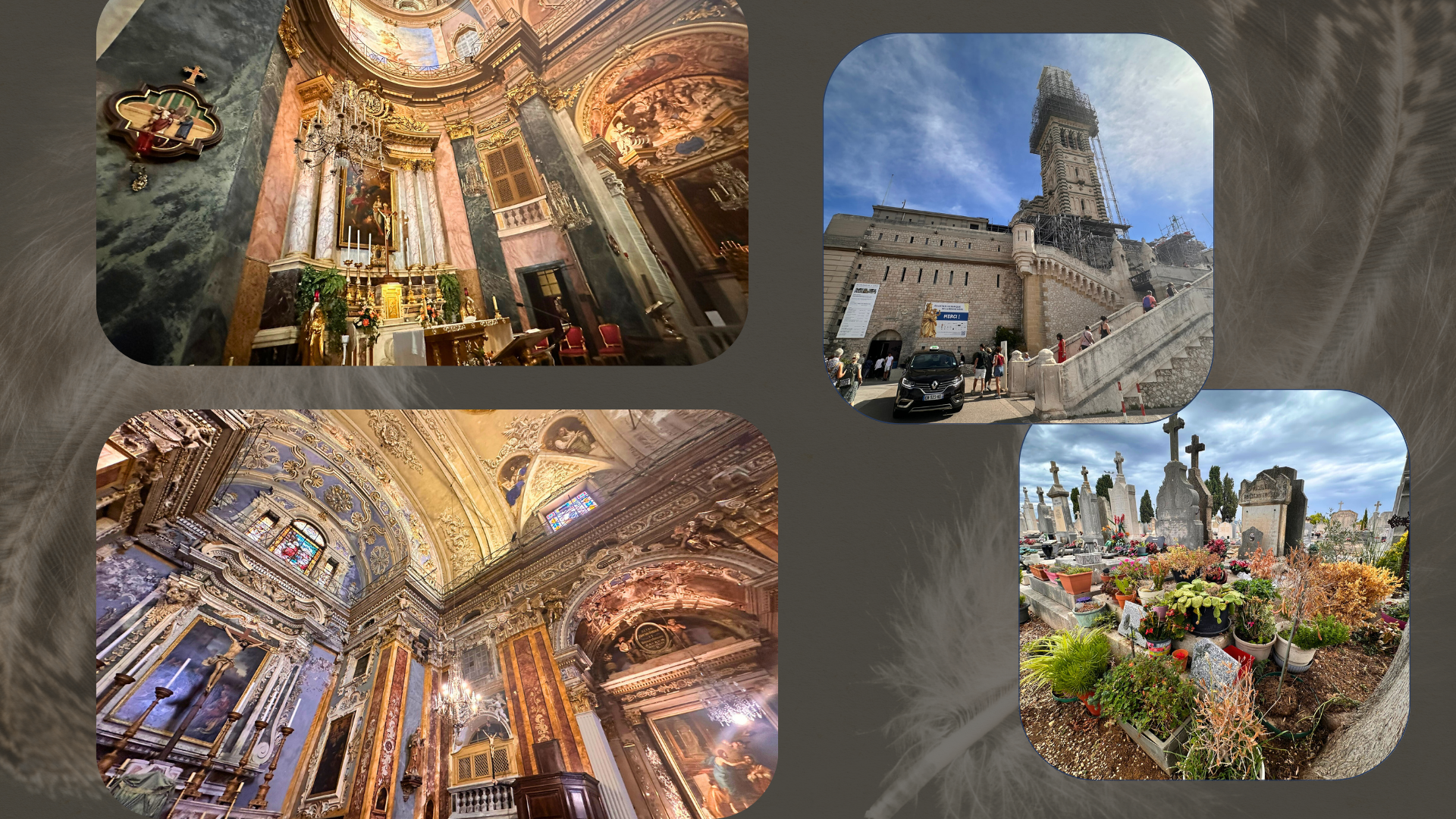
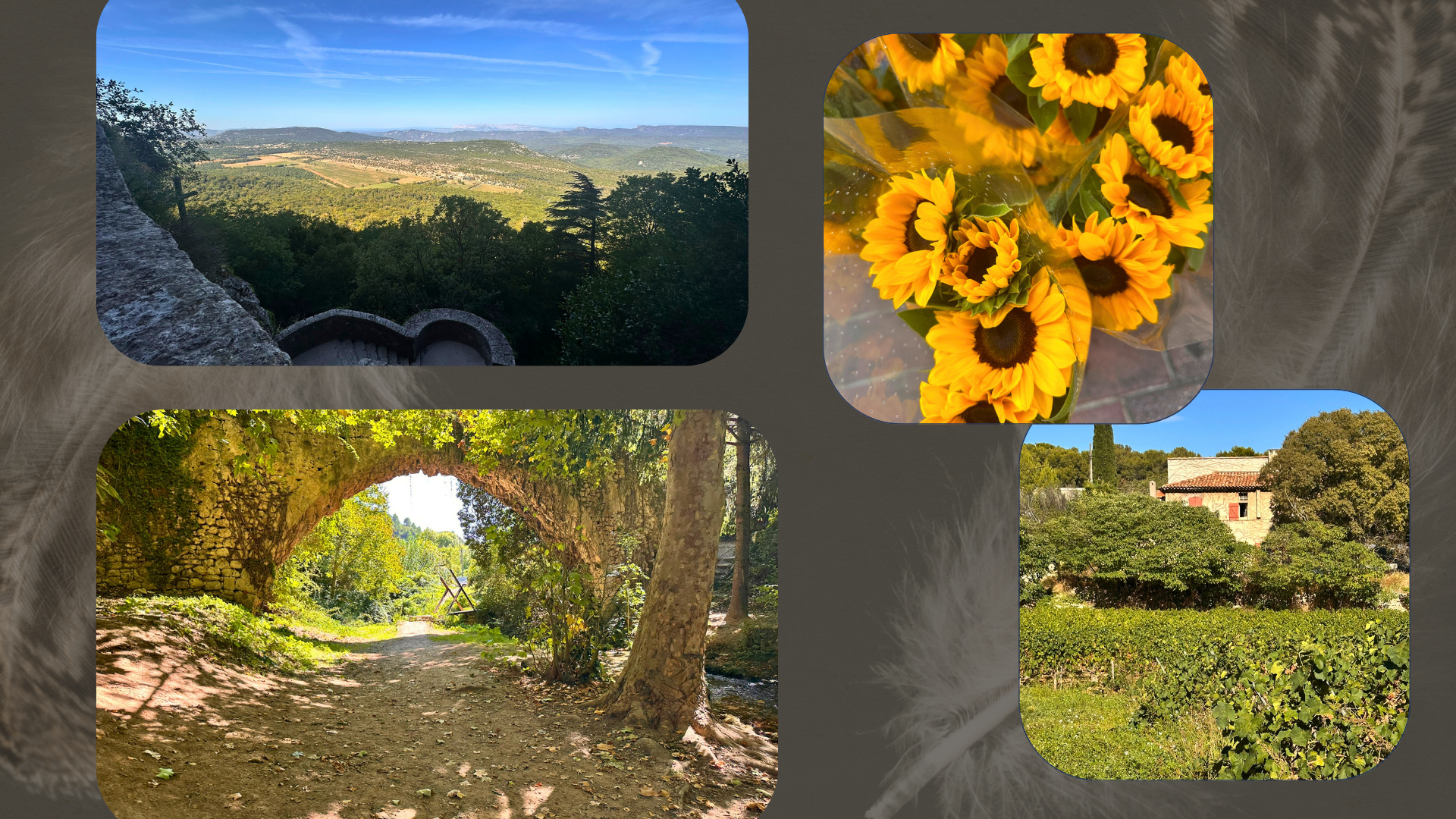
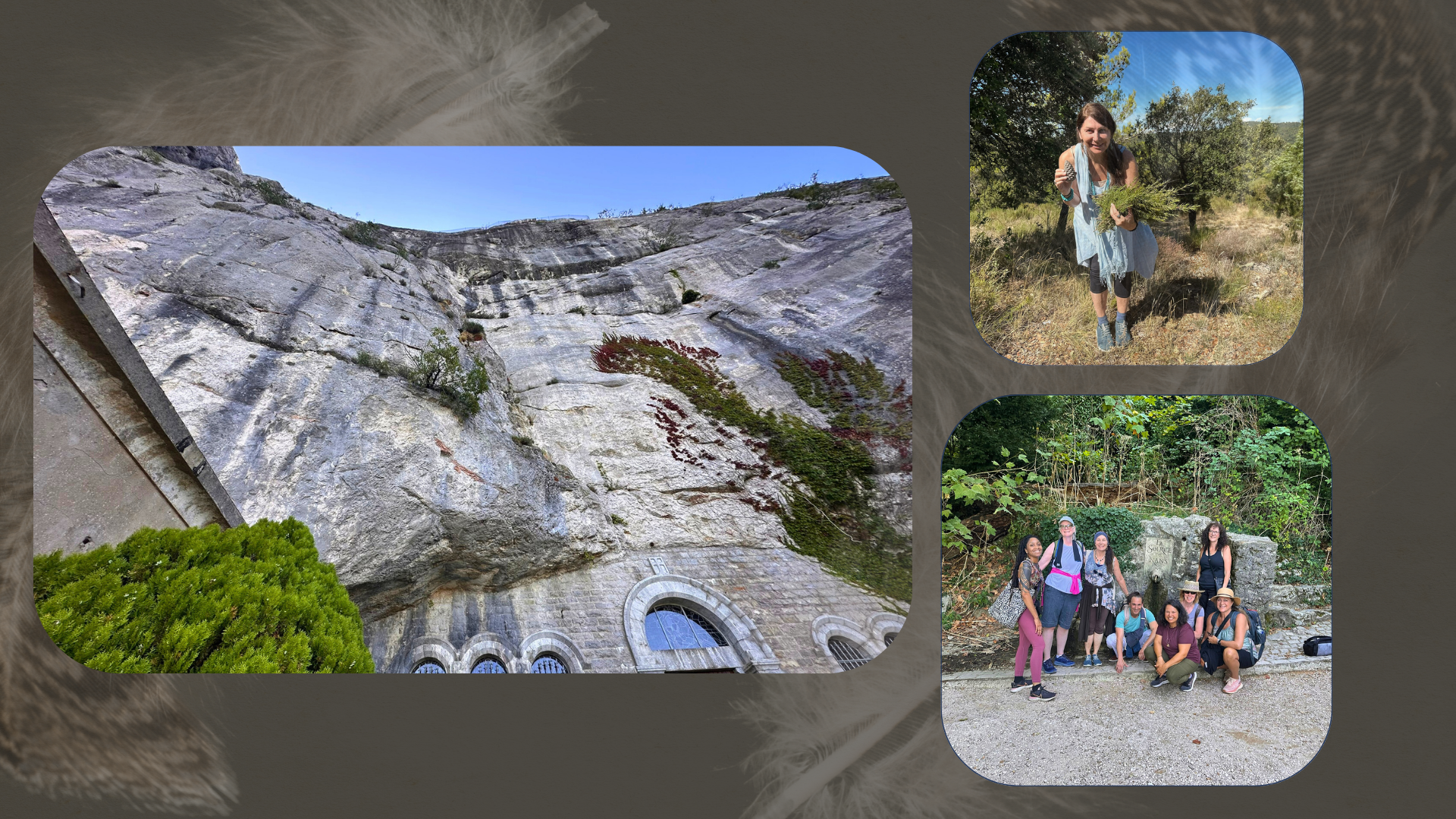
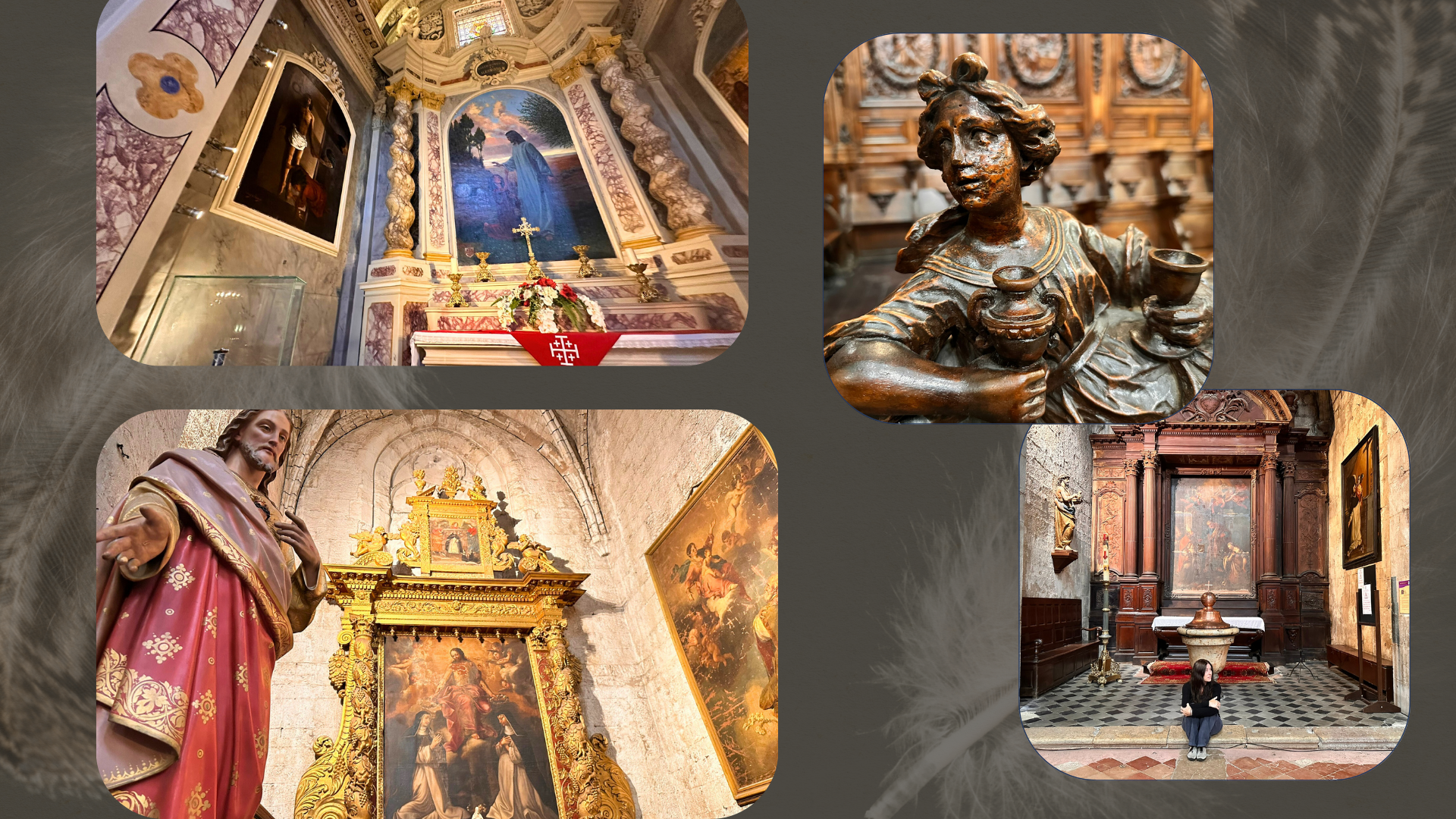
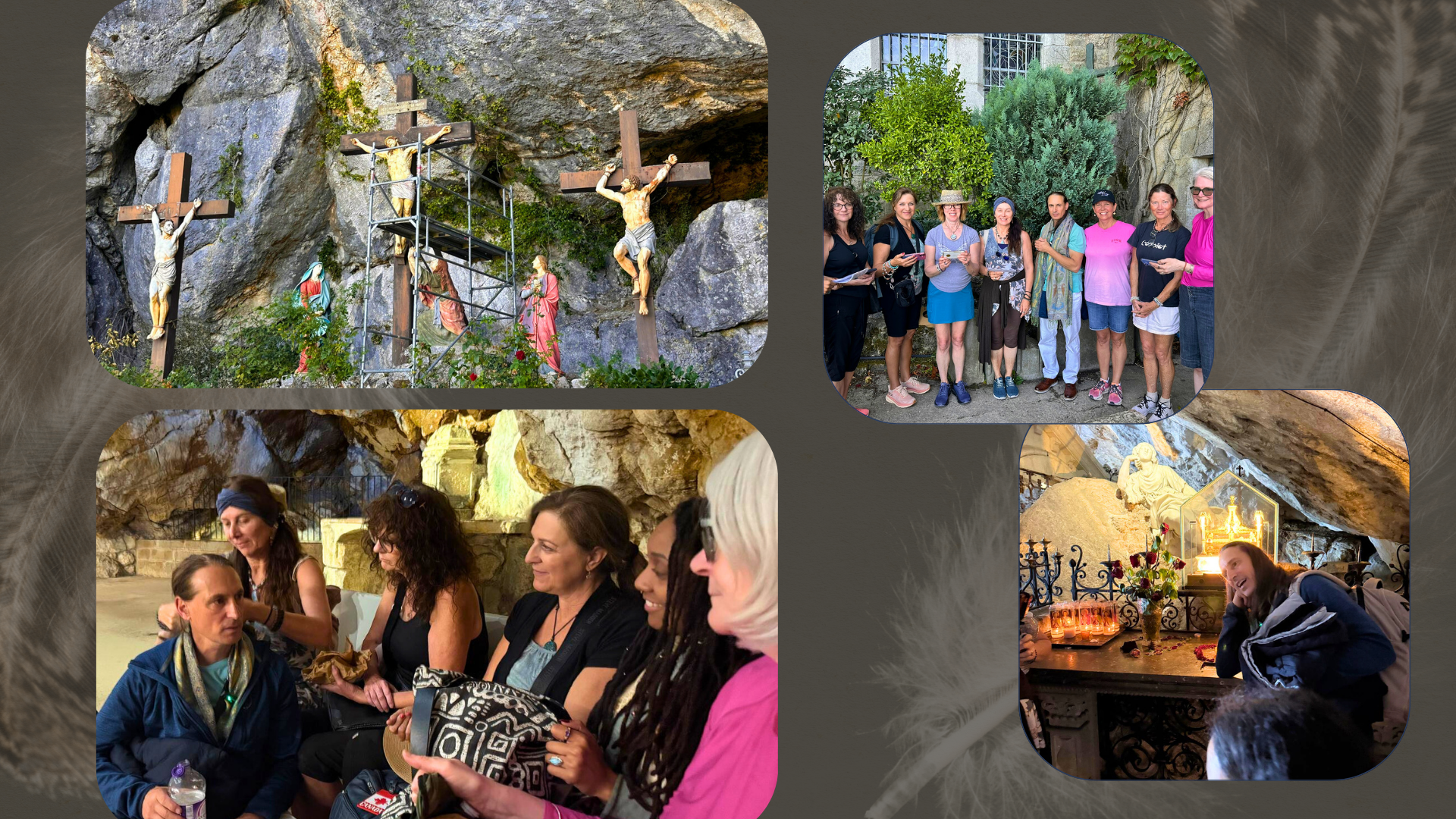
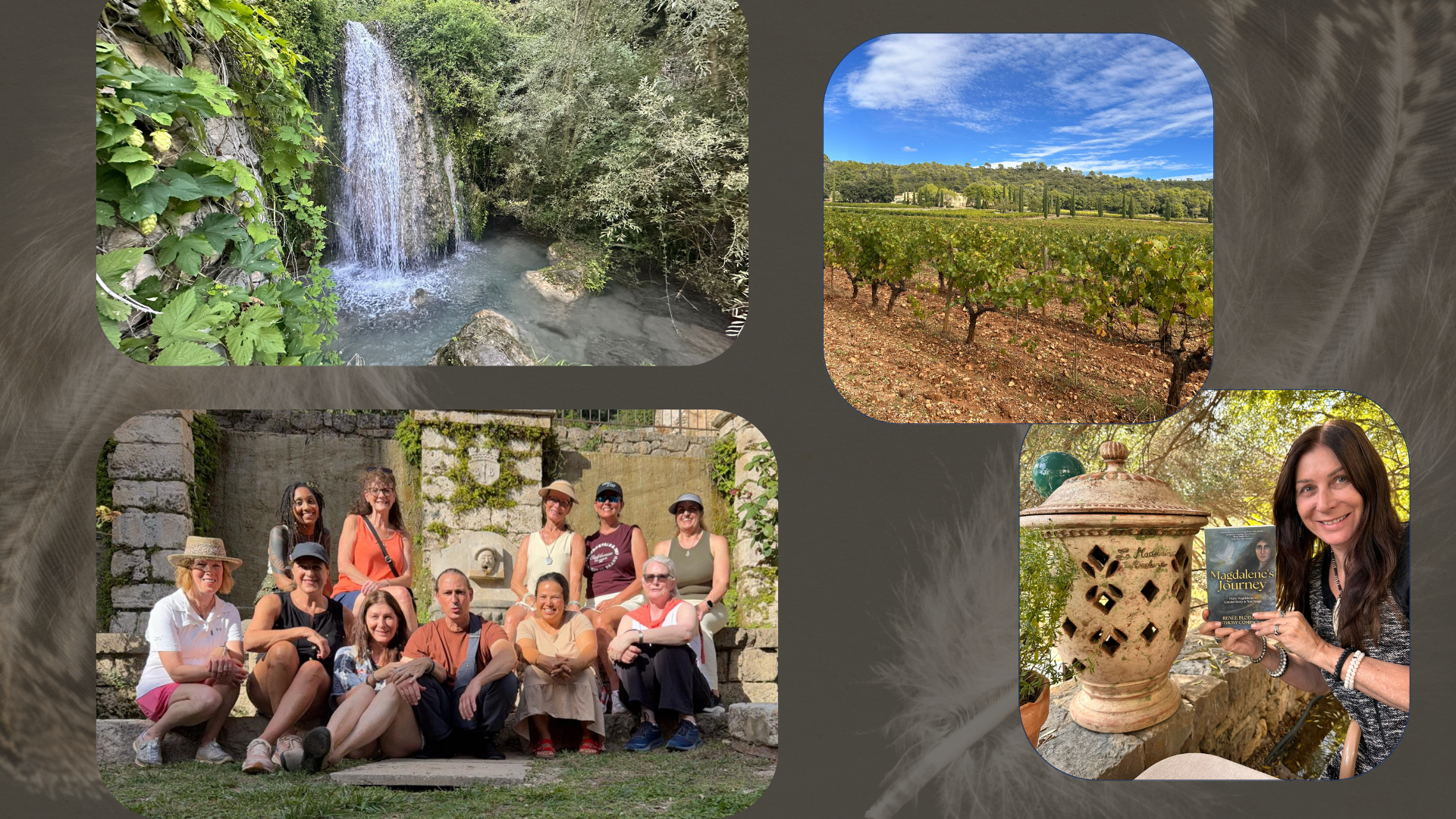
We have held retreats in the United States for many years, but in 2025, we led our first Pilgrimage to Provence, focused on the Magdalene teachings from our award-winning book Magdalene’s Journey. You’ll find some highlights from that Pilgrimage at the bottom of this page. In 2026, we head to the Cathar region of France, where we’ll explore some of the sacred sites. Details below. Note that these dates are not yet finalized, but we are looking at the above proposed dates.
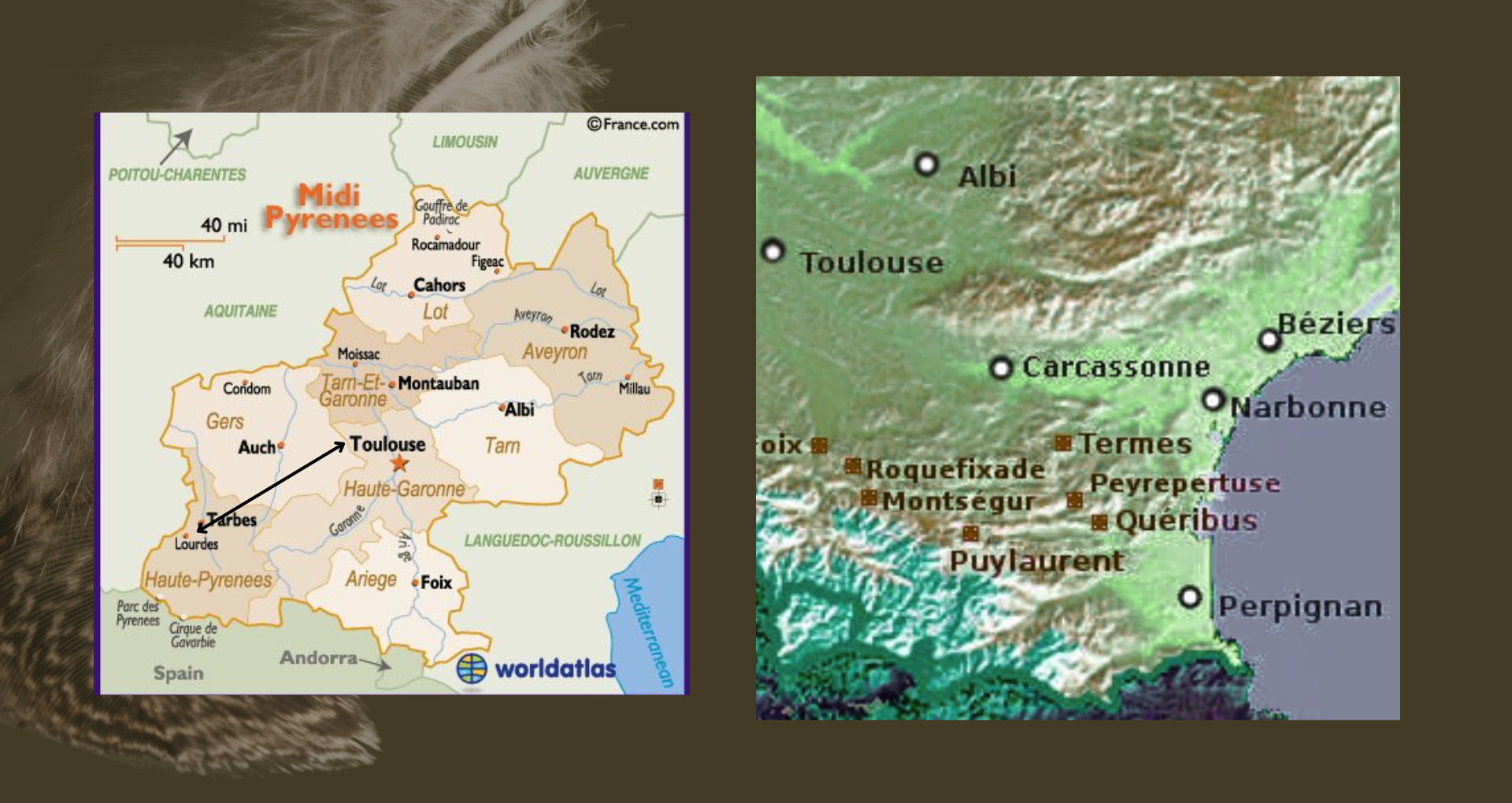
The proposed schedule below is subject to change, but here are some of the sacred sites on our radar, and confirmed visits will depend on the final length of the trip (between 7-9 days)
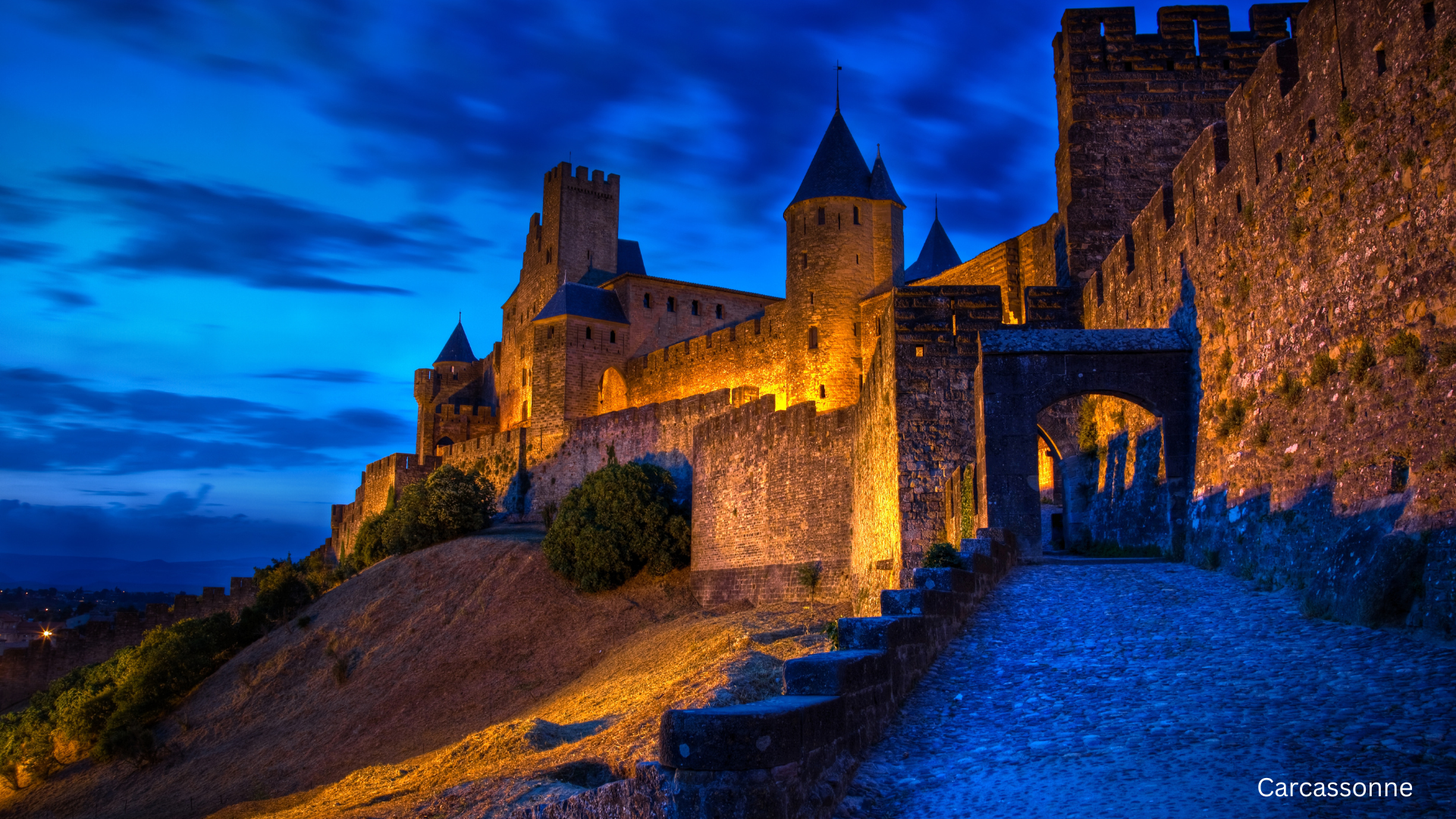
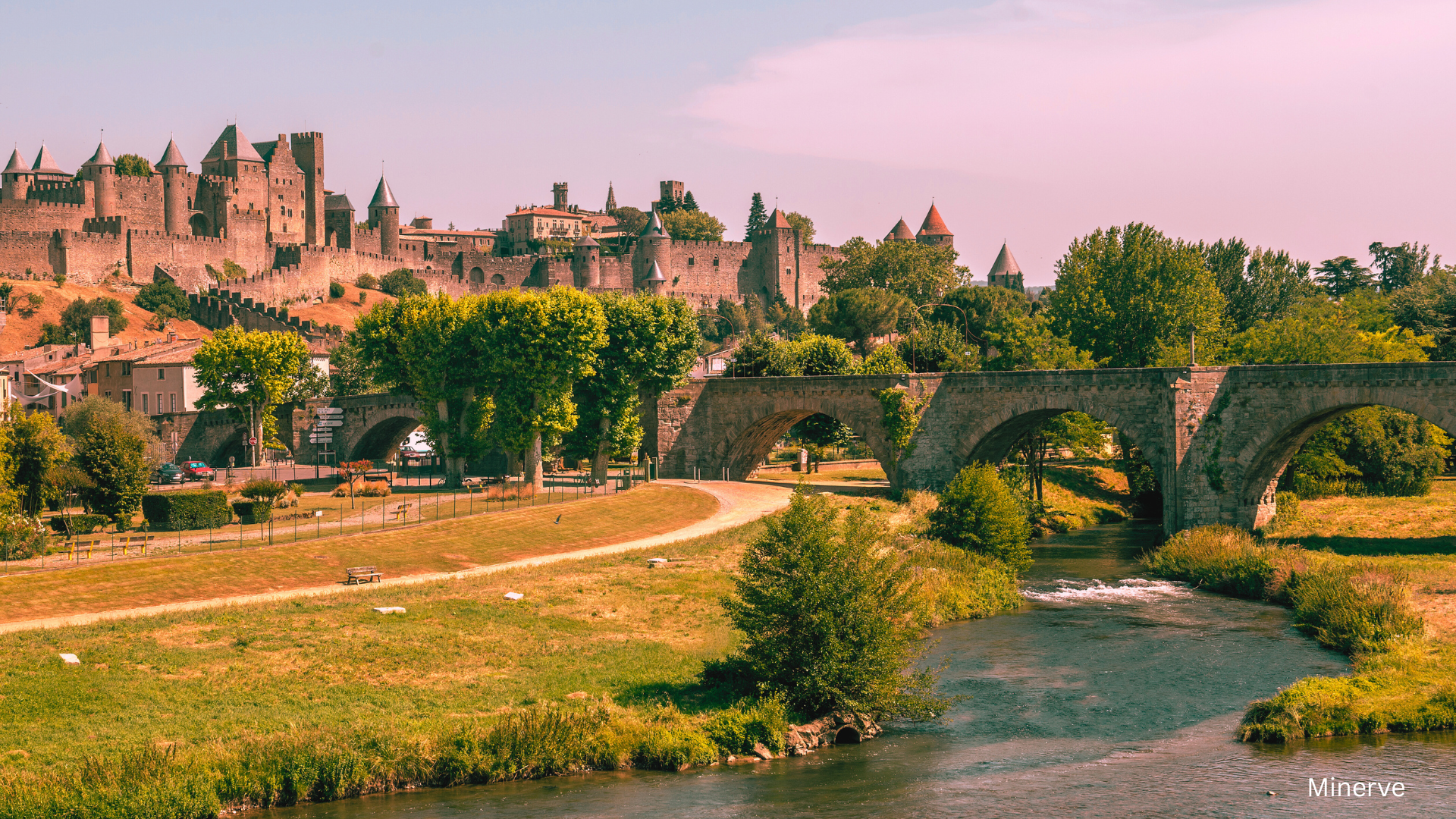
Imagine taking a journey back in time to another world. This empowering and awe-inspiring medieval city sits atop a hill and is said to be one of the best-preserved medieval ensembles in the world. It’s easy to get lost in its enclosure, where you’ll come face-to-face with antiquated, charming streets and alleys.
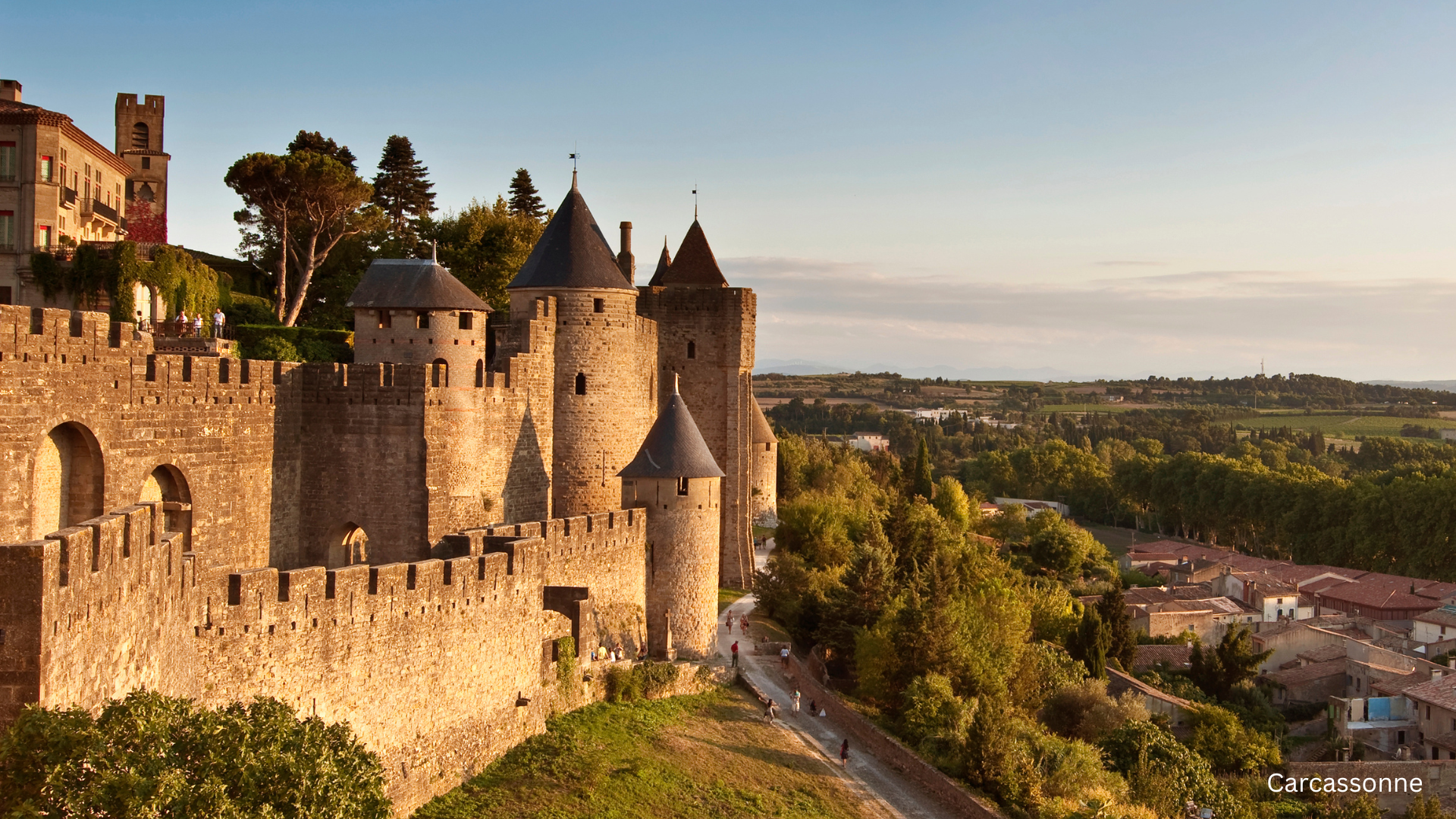
Situated in the heart of the medieval quarter of historical Carcassonne, the impressive castle was built in the 12th century. This walled city, a UNESCO site, has 53 watchtowers and two concentric walls that span roughly 3 kilometers of ramparts. Here, we’ll also take in the ancient St. Nazaire Cathedral.
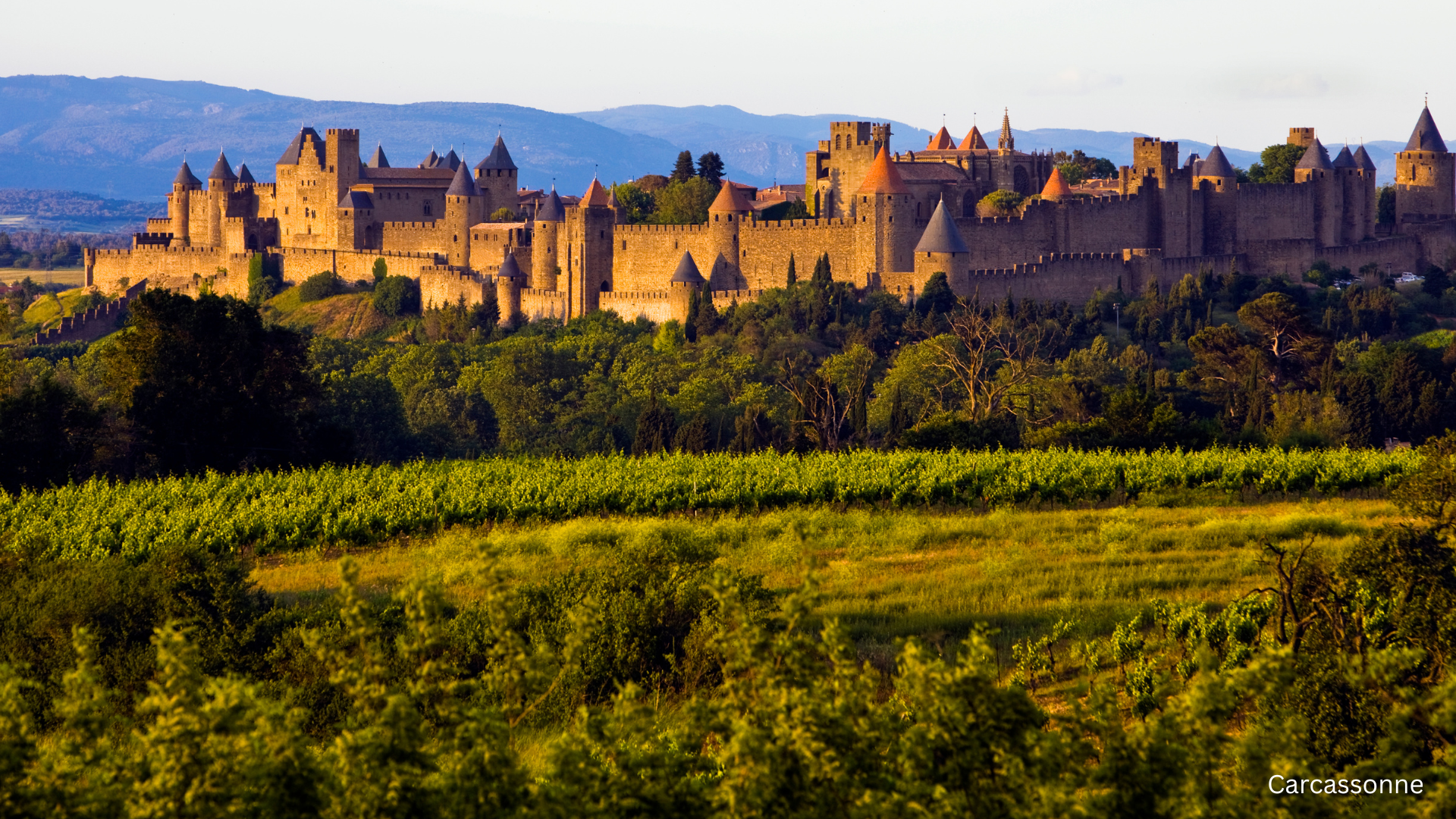
Carcassonne has been used for numerous film shoots and offers incredible views of the ramparts and the Bastide Saint-Louis. It’s also possible to walk in the Lices, an area set up between the two ramparts, which enables you to take in the military architecture and impressive viewpoints along the way.
The Basilica of Our Lady of Marceille exemplifies southern Gothic architecture from the 14th and 15th centuries. Dedicated to Mary, the Basilica has long served as a center of faith and cultural activity. Pilgrims frequently visit to honor the Black Madonna, or as some call it, the Black Virgin, and it remains a central element of devotion today. There’s also a spring nearby, which many believe is a powerful place of healing, and some say that ailments have been cured on-site. At the Church of Notre Dame de Marceille, we can also see the beautiful Gothic stonework.
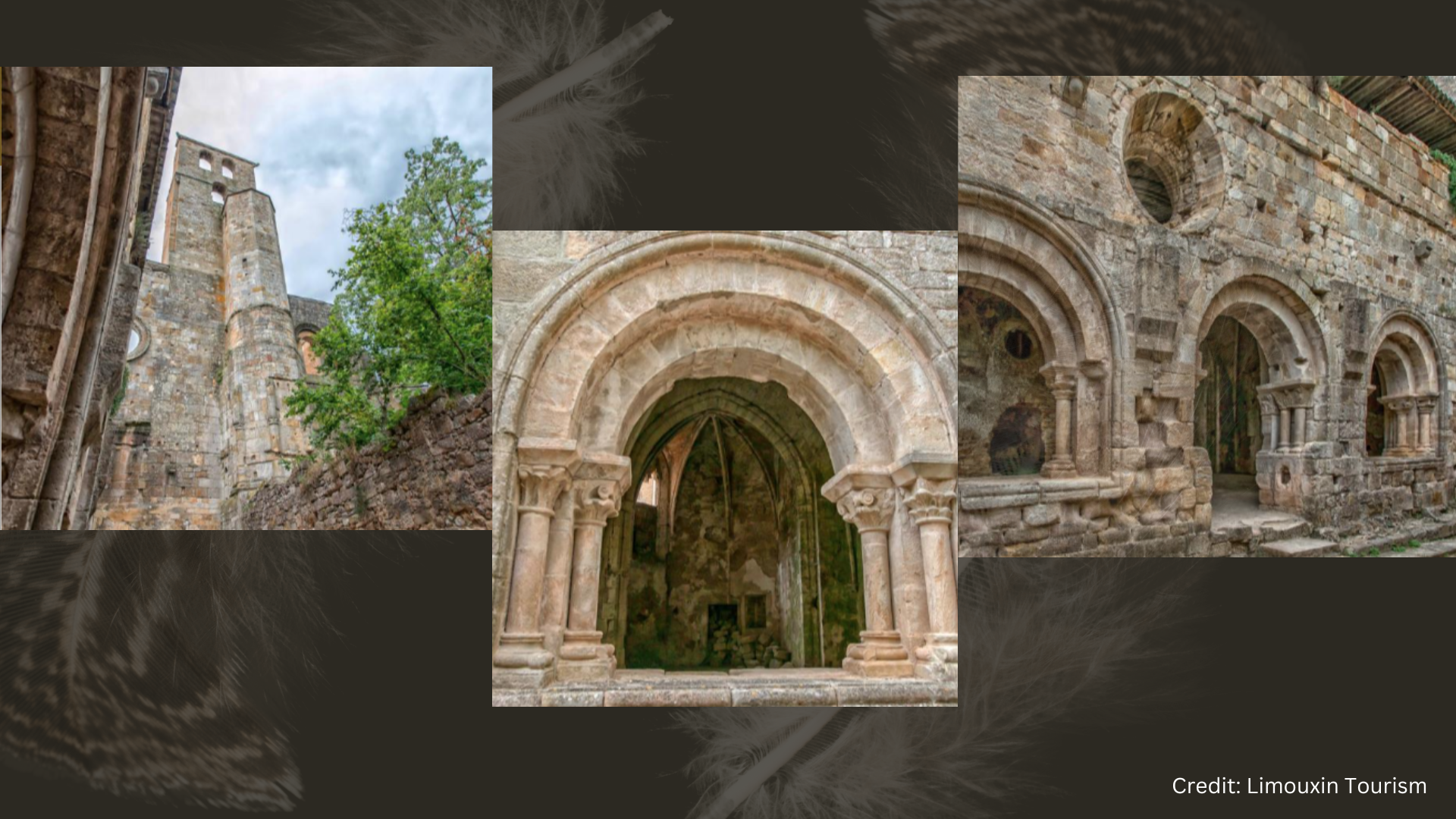
This picturesque medieval village’s architecture features stone and half-timbering from the Romanesque period through the sixteenth century. Here, there are 21 buildings classified as historical monuments. It is also renowned for its healing thermal springs, washhouses, swimming pools, and fountains. The mineral water here is one of the oldest in France.
Rennes-le-Château, also known as the Village of Mystery, is dedicated to Mary Magdalene and is only about two hours from Spain. This village is home to the renowned church of Mary Magdalene, where a local priest, Abbé Saunière, reportedly found hidden artifacts. Some believe his discoveries were linked to ancient secrets, potentially even to relics or texts associated with Mary Magdalene’s lineage with Yeshua.
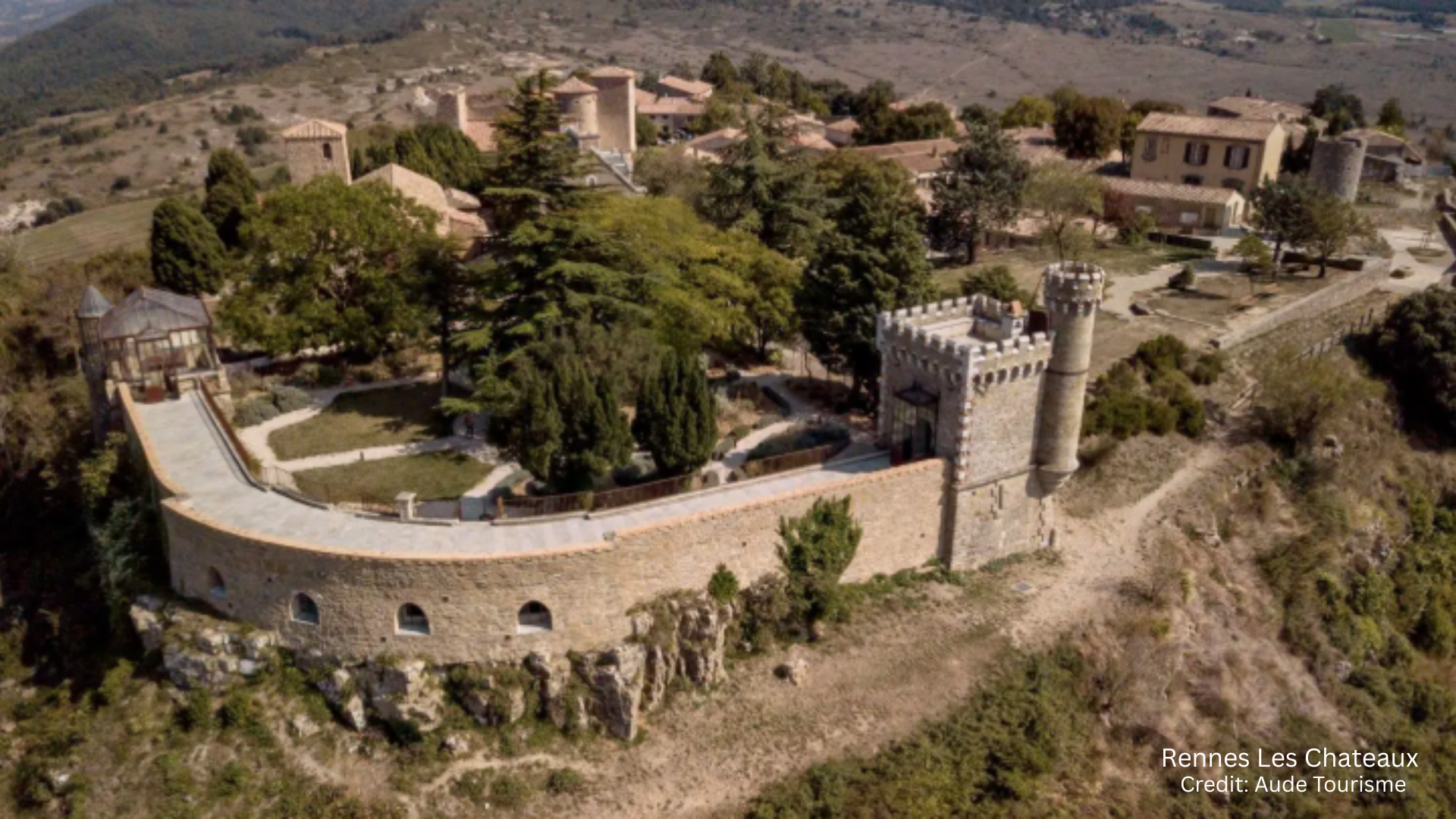
Rennes-le-Château, which sits on top of a rocky limestone is the topic of over 700 books and TV and film documentaries. It is said that roughly 70 million years ago dinosaurs roamed these hills as their fossilized eggs have been discovered in at least two locations here. Other discoveries show that life existed in this ancient village as far back as 10,000 years. The Romans occupied what was then Gaul in the late 2nd century BC and saw the value of the minerals from the thermal baths, which are still popular today. In 1885, Father Bérenger Saunière renovated the local church of Mary Magdalene and its presbytery.
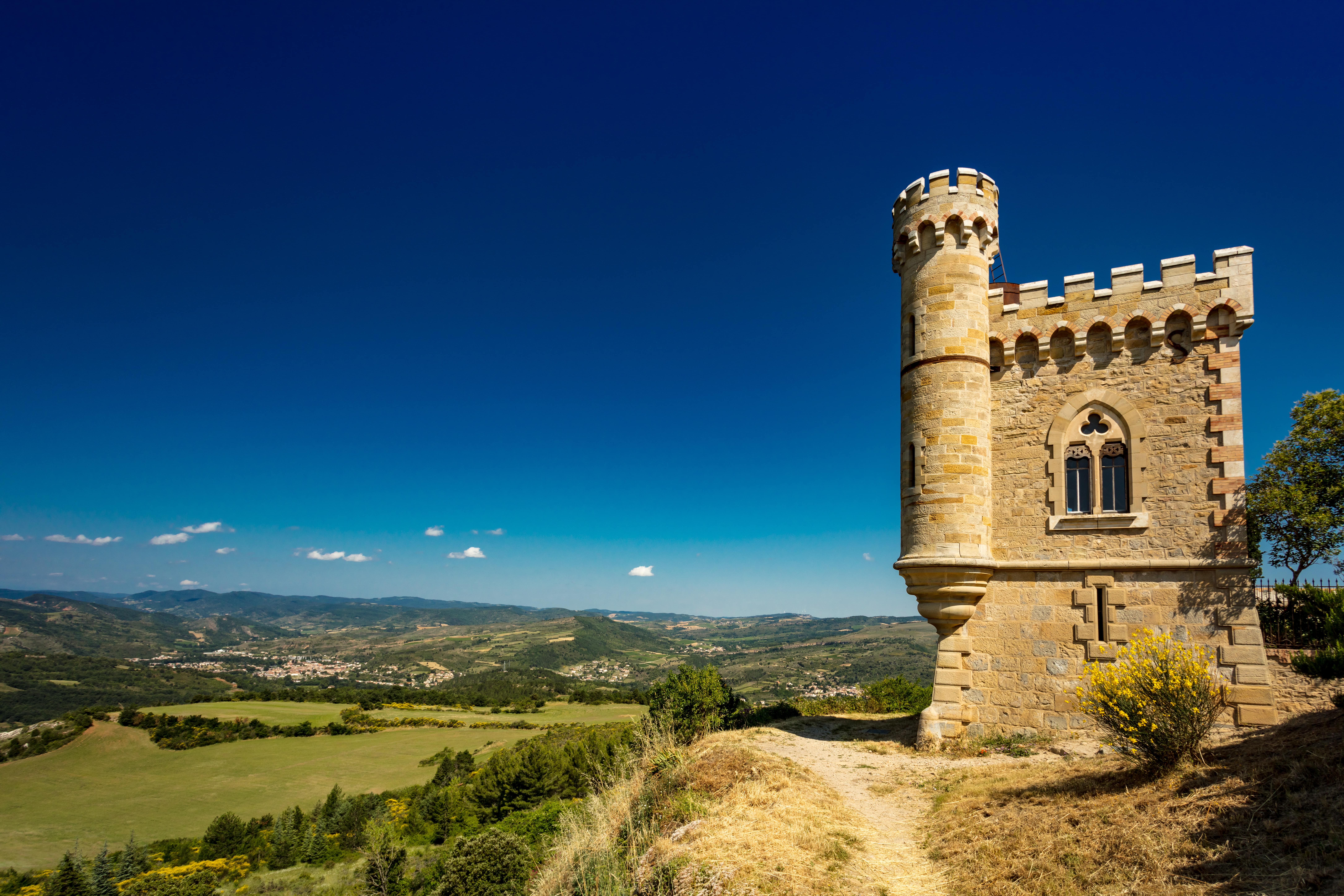
The neo-Gothic style Magdala Tower (below) is the priest’s former library. Mary Magdalene was mostly known as Miriam or Mariam of Magdala in ancient Judea. Other names have been given to her since . . . the Magdalene, and The Tower.
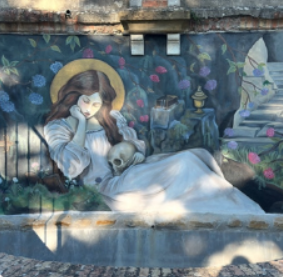
The “fresque” of Mary Magdalene can also be found here (below), showing Magdalene kneeling in a cave. The church is central to the legend of the Rennes-le-Château mystery.
There’s also a glass tower where we can catch amazing views of the upper Aude valley, the Abbé Saunière’s winter garden, and other serene nature.
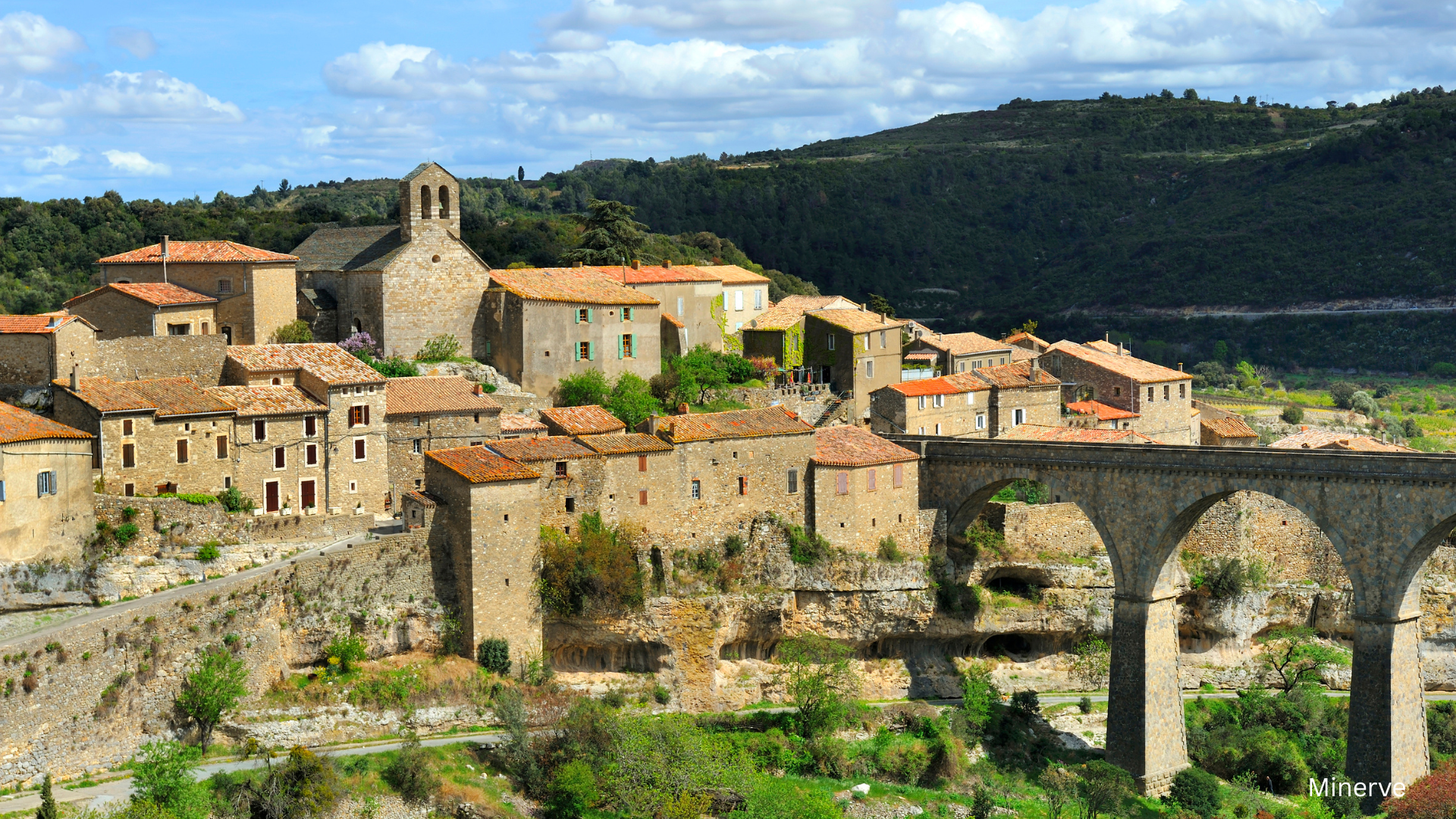
Minerve is another fortified medieval town and is considered a landmark of what has become known as The Way of Love. Like Montségur, it was a known site for the Cathars’ teachings, which the Catholic Church deemed heretical.
Built in a spiral, which has its own historical and spiritual significance, we will visit Notre Dame du Cros, which is located in an outlying gorge and river basin in the medieval town nearby, Caunes Minervois. This ancient sacred valley includes a medieval chapel where we will also see a Black Madonna, and a healing, sacred spring.
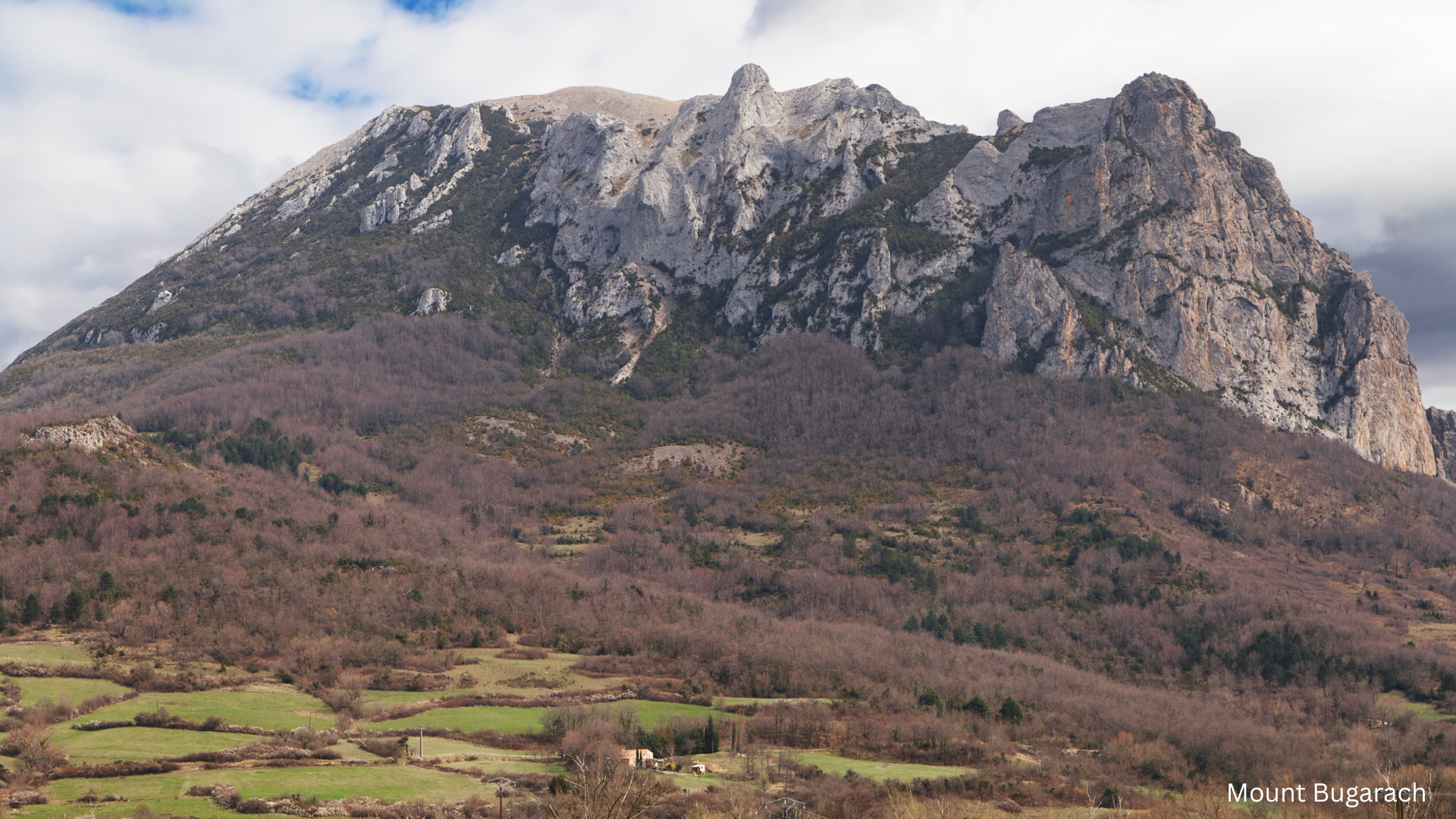
Mount Bugarach, which extends to 4,000 feet, has been touted by the scientific community as one of the “Pyrenean Paradoxes” and geologists say that Mount Bugarach is built upside down. This Pyrenees Mountain formation is from thousands of years ago. Some suggest that it has special powers and has even been called a Stargate. Could it be a conduit of energies or other life forms?
Like most sacred sites, churches and chateaux were built atop the original places of worship of our indigenous ancestors. The guides we work with speak of the energy that remains, layer upon layer, where ceremonies and rituals have been held. It is built on the very same ley lines as our ancient ancestors, long before churches were ever built, so the energy can be strong.
Myth tells us that there is a river, a lake, burial crypts and crystals under the mountain. Other places worth noting in this area include the Chapel Cave (erected around 1782). There are stalactites and handwritten messages to St. Antoine, which serve as a reminder that many still come here to pray and meditate.
The Grotte De Perillos or Caunes Cave is located in a desert area north of Perpignan. Imagine the Cathars of the time convening in a circle, as rituals and ceremonies were often done. It is one of the reasons we held circles from the very start of our work (called Blue Soul Circles). You see, circles are inclusive without hierarchy, and they are also a wonderful parallel to the never-ending spirals in our expansive Universe.
There are legends that suggest that Mary Magdalene held gatherings in this cave. In our book, it is noted that she and the seven sisters (female apostles) traveled to other towns and villages with their teachings, so it is not out of the question that they made their way here. A Black Madonna and other artifacts were found here in the eighth century and are now held at Opoul De Perillos (not available for public viewing).
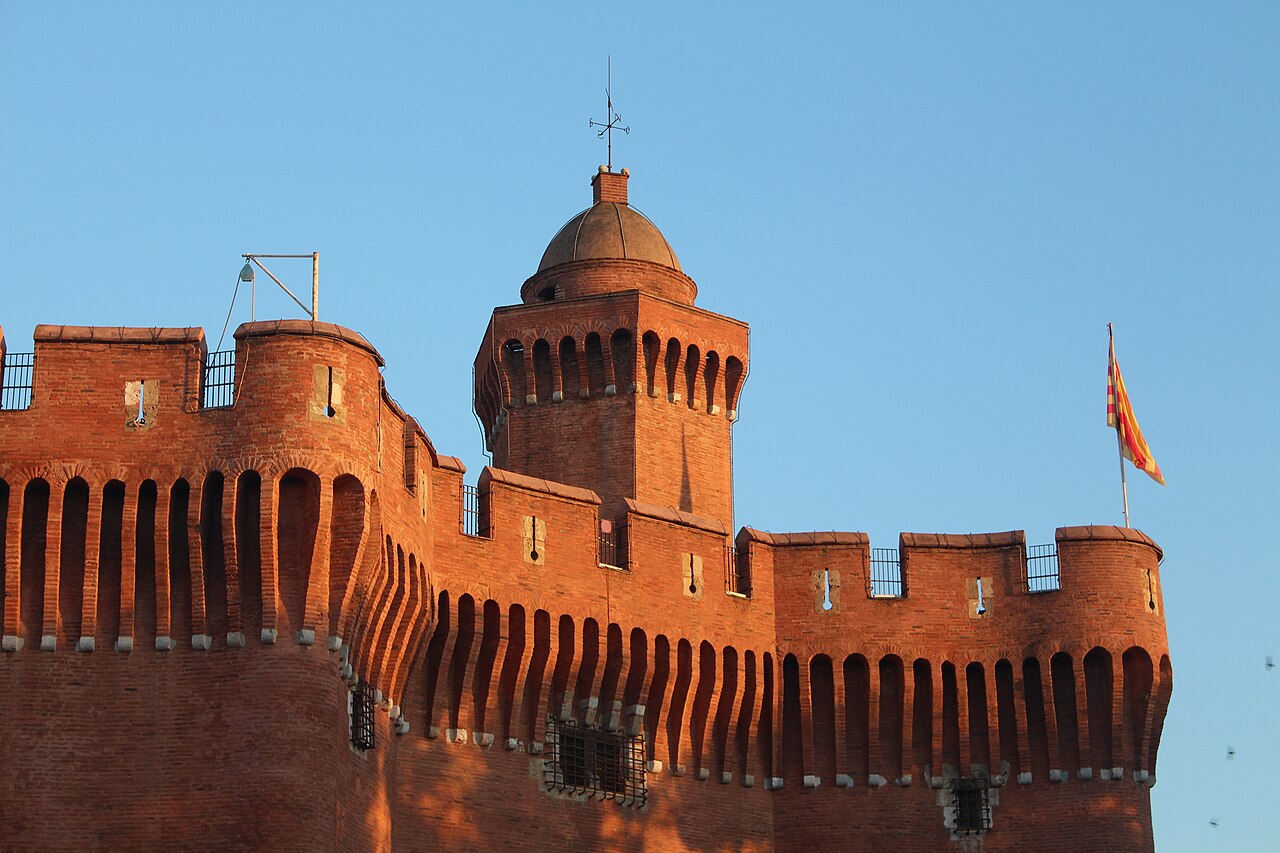
Below is the Castillet in Perpignan. It was the capital of the former province and County of Roussillon (Rosselló in Catalan) and continental capital of the Kingdom of Majorca in the 13th and 14th centuries. Ancient history meets picturesque streets and alleys in this mesmerizing town, also known for the International Festival of Photojournalism, the medieval Trobades Festival and its centuries-old garnet industry.
Lourdes is a famous worldwide Pilgrimage destination and a place people flock to for healing. The Sanctuary of Our Lady of Lourdes covers 50 hectares. The Grotto of Apparitions is apparently where Mary first appeared to Bernadette Soubirous in 1858. Here, we will perform a ritual, receive transmissions and messages from Magdalene and drink water at the mystical fountains.
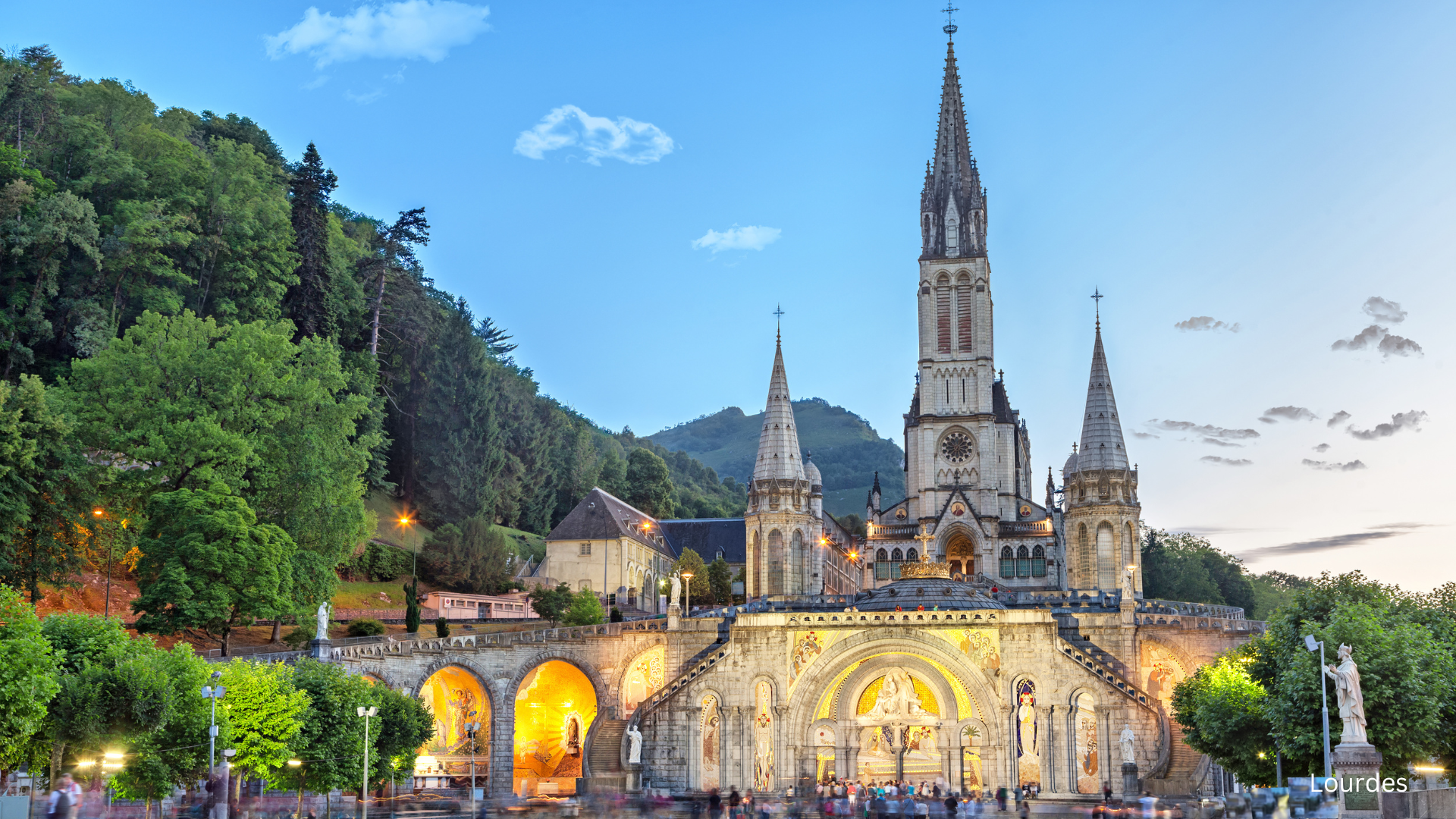

After Bernadette’s apparitions, many began to flock to Lourdes. Since then, the Vatican now assesses all claims of miraculous healing here. Apparently, if they can find a scientific explanation, the case is rejected. If there isn’t one, the case goes through several rounds before it is approved.
According to Peter Stanford’s Pilgrimage, “There’s an average of thirty-five accounts of miracle cures each year. Only sixty-seven in total have been officially authenticated by the Vatican.”
Christianity is most associated with miraculous healings, as cited in the New Testament, e.g., Yeshua’s healing of those with leprosy, bringing sight to the blind, and even raising Lazarus from the dead. (the latter is also discussed in our book Magdalene’s Journey.) Here, we will take in the energy of the place and add to it in a channeling experience of Yeshua and Magdalene while we are on-site.
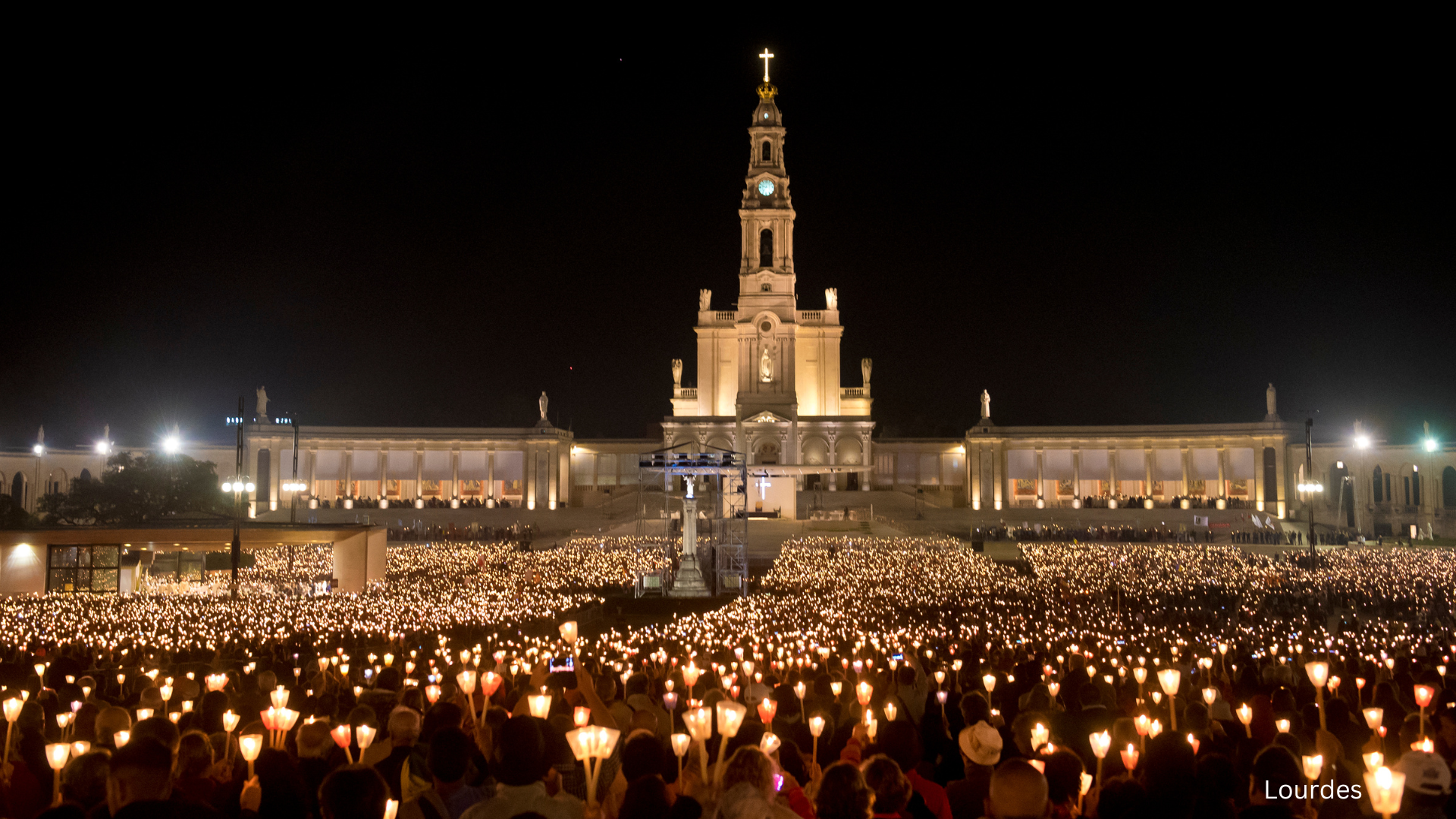
Below, Lourdes by night during an event.
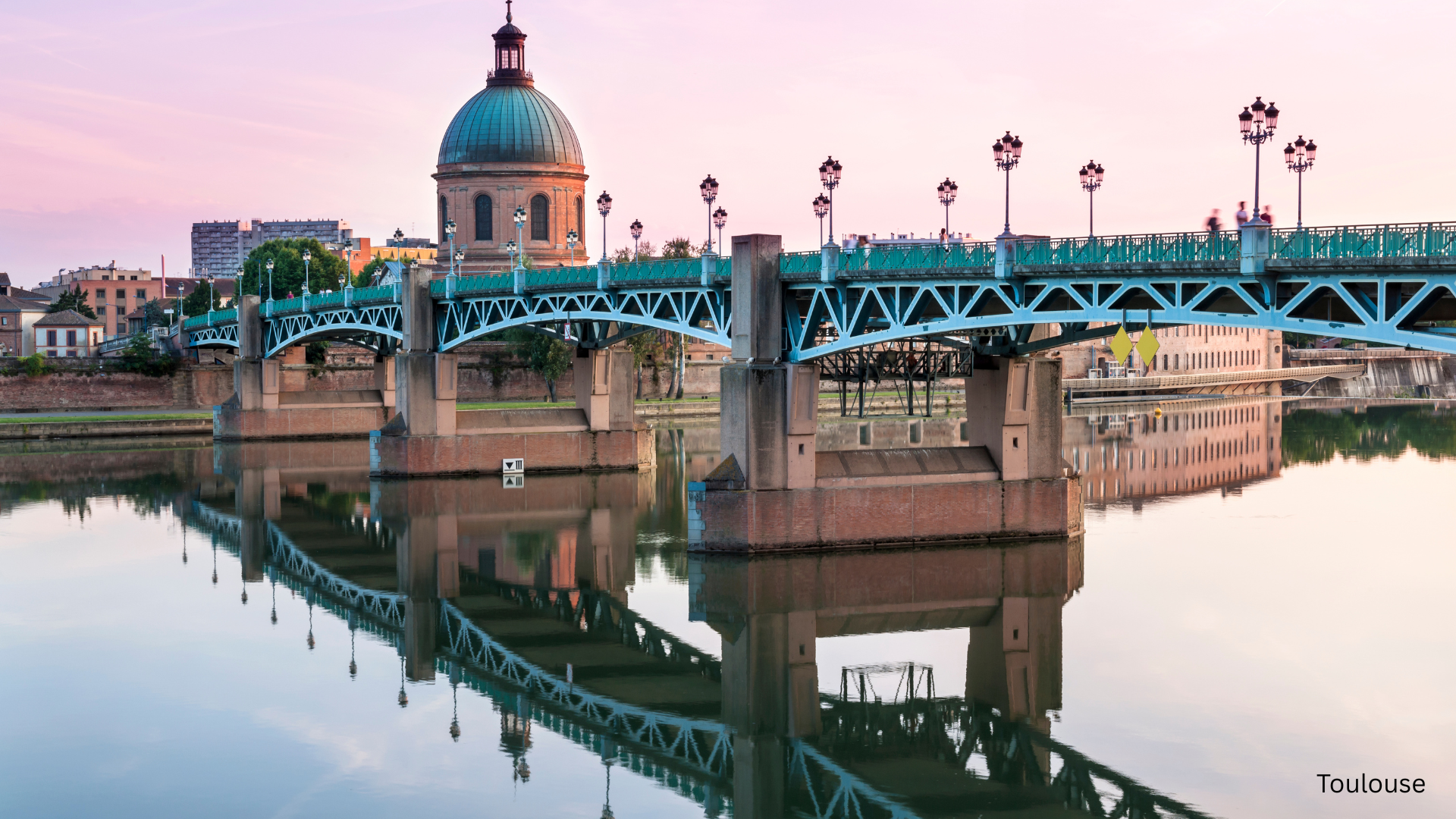
Toulouse offers rich culture and history, from cathedrals and terrace cafés to the banks of the Garonne, historical monuments and the Cité de l’Espace. It is known as La Ville Rose (The Pink City) because of the many terra-cotta bricks used in its local buildings. Its 17th-century Canal du Midi links the Garonne to the Mediterranean Sea.
In Montségur to the northeast, the mountain is known as an eternal symbol of Catharism. It represents many things, but first and foremost, it is the symbol of Cathar Resistance. You see, Montségur is best known as the stronghold against the Catholic Church. This fortress was the site of the last major stand that the Cathars took during the Albigensian Crusade, which was a military campaign initiated by the Catholic Church to eradicate Catharism altogether.
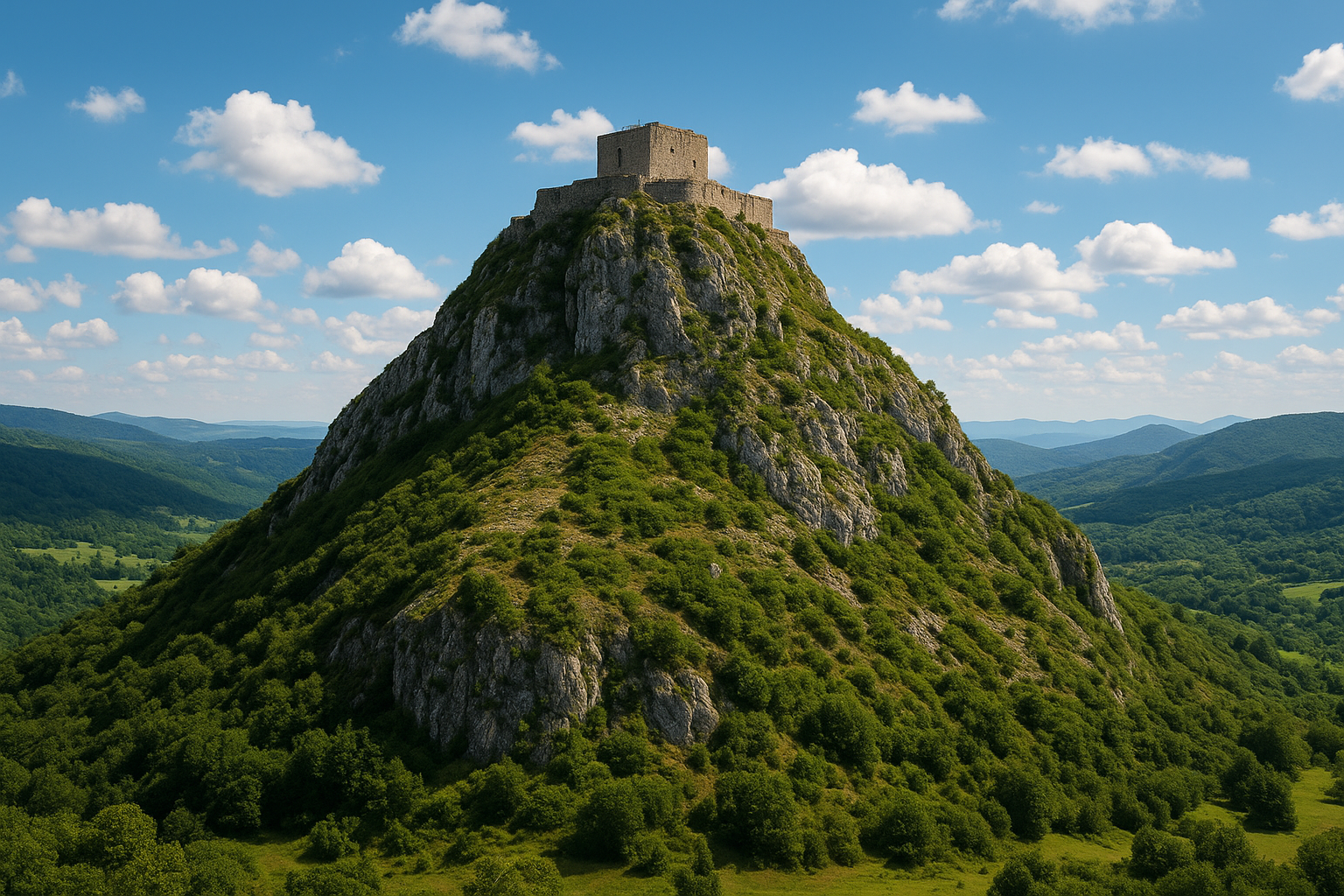
From 1243 to 1244, Montségur was besieged by King Louis IX’s army, a siege that lasted ten months. This was an incredible showcase of the Cathars to defend their beliefs against the Catholic Church’s dominance. After their inevitable surrender, over 200 Cathars who refused to renounce their faith were burned alive at the foot of the fortress in a mass execution. This tragic event marked the end of organized Cathar resistance and the beginning of their persecution into near extinction.
The martyrs of Montségur are remembered for their unwavering faith and commitment to their spiritual beliefs, much like Yeshua and Mary Magdalene, who adhered to their teachings despite pushback from the powers of the time. Yeshua, Miriam and the Apostles often went outside the traditional rules and boundaries that the Pharisees, Sadducees and the Essenes followed.
It is seen as a sacred site, and legend has it that Montségur is where the Cathars protected their knowledge, and some say, the magical Holy Grail. The site serves as a reminder of the clash between differing religious ideologies and the human cost of intolerance and persecution, which Miriam describes in our book.
L’église de Saint-Salvayre is a 12th-century church that sits 750 meters above the medieval town of Alet-Le-Bains. Like many places in the region, it plays its part in the Holy Grail legends. Some people have sensed unexplained energy in the church, primarily from the altar and the stone pillar.
Visitors have reported tingling or hot-and-cold sensations that persist after their visit ends. It was thought that the church was originally a place of pagan or druidic worship, later sanctified by the Christian faith, as with many other pre-Christian religious practices.
The chapel also sits on a direct line linking the Cathar Castle in Carcassonne (La Cité) with Rennes-le-Château, forming part of the sacred geometry that some think crisscrosses “Grail country.” Nearby, there are several stone monoliths that some say have similar energy as the altar. The nearest is 100 meters from the chapel which is considered to be Druid in origin.
L’église de Saint-Salvayre, like many places in the Aude, is surrounded by myths and legends. But unlike some more easily accessible places, Saint-Salvayre has an authentic, untouched feel, far away from the customary Grail hangouts.
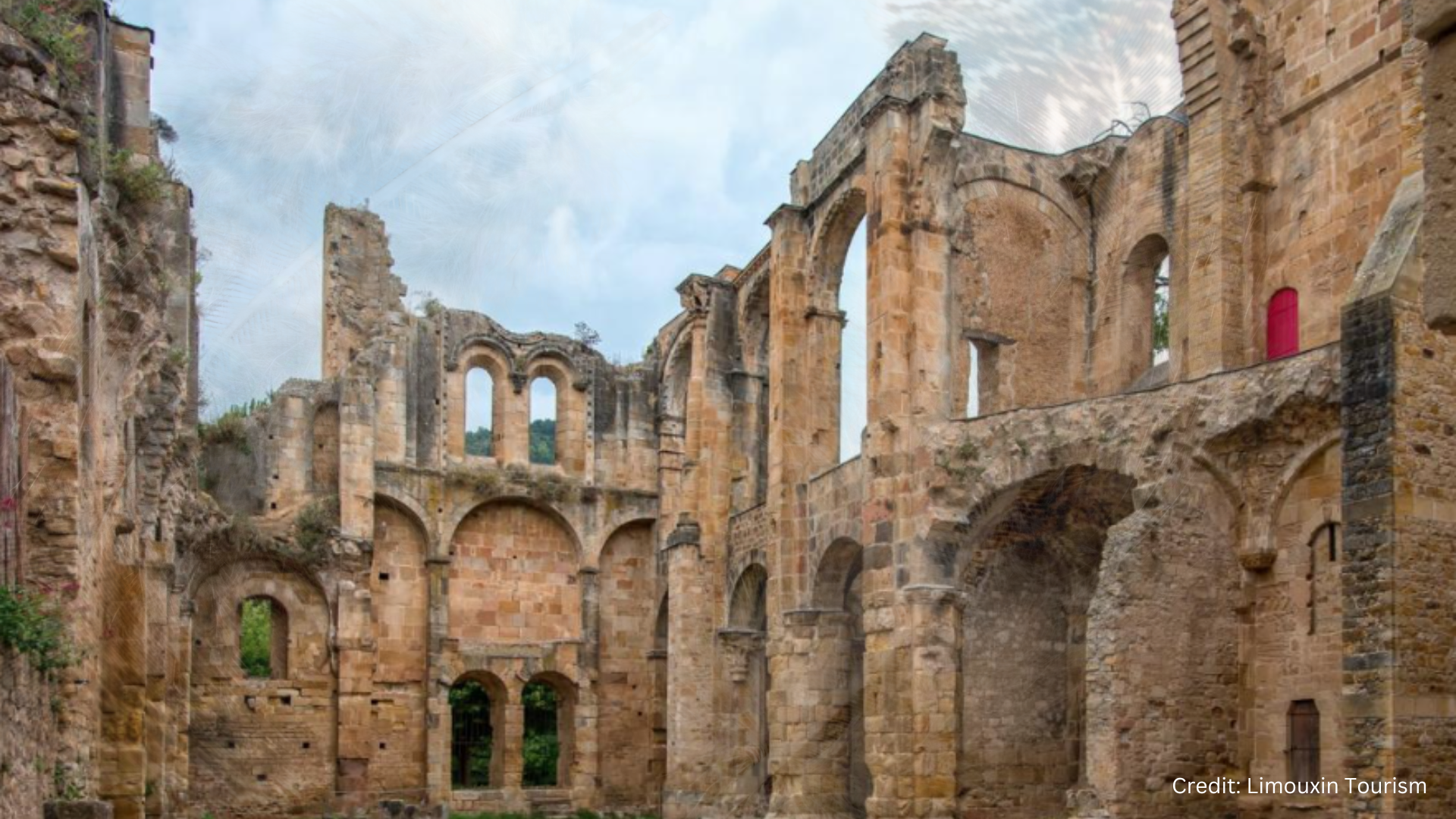
Alet-Les-Bains has been prized since antiquity for its thermal waters. Today it bears witness to a timeless and picturesque charm. Crossing the ages, the village leaves us clues about the events that took place there, notably through its Abbey, a Pôle du Pays Cathare site that reflects the great moments of its history.

We haven’t finalized the cost yet, but we hope to soon, along with the exact dates (these could shift a few days in either direction), but we are shooting for the last week of October.
Our last retreat to France was around $4,000, which included everything except for your flight. We accept Zelle, PayPal and Venmo. Please email us at info at bluesoulearth dot com to coordinate.
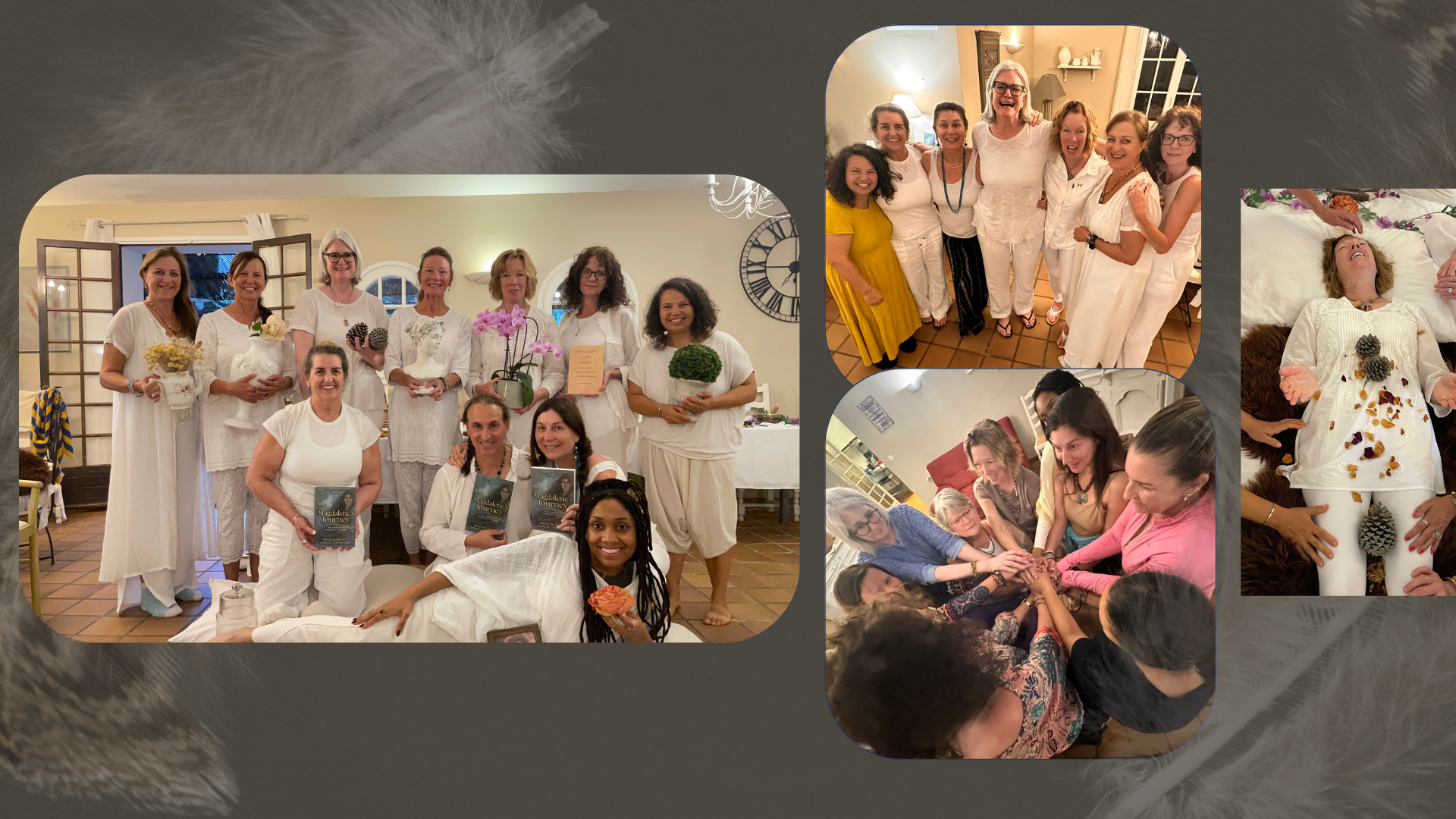
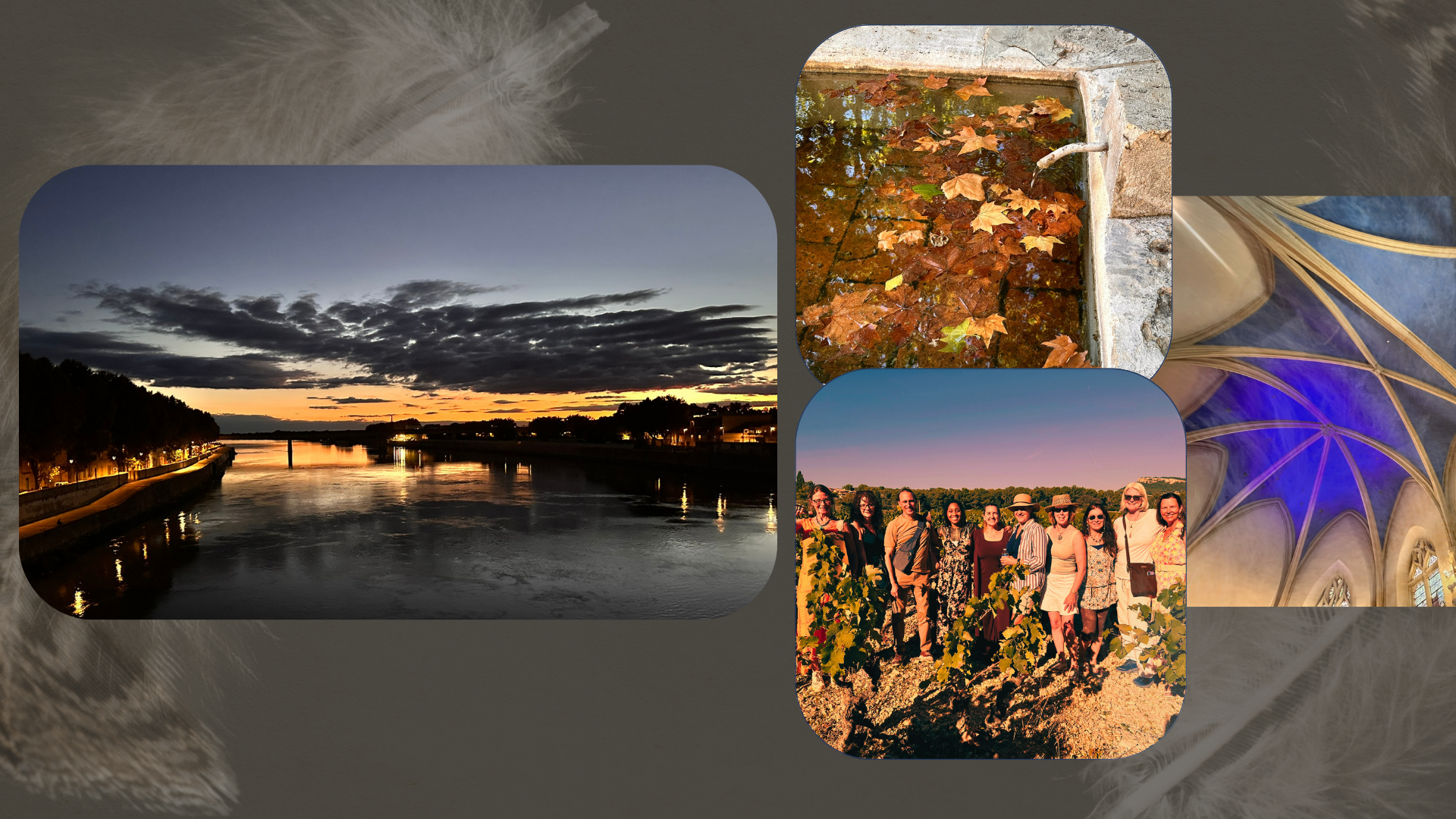
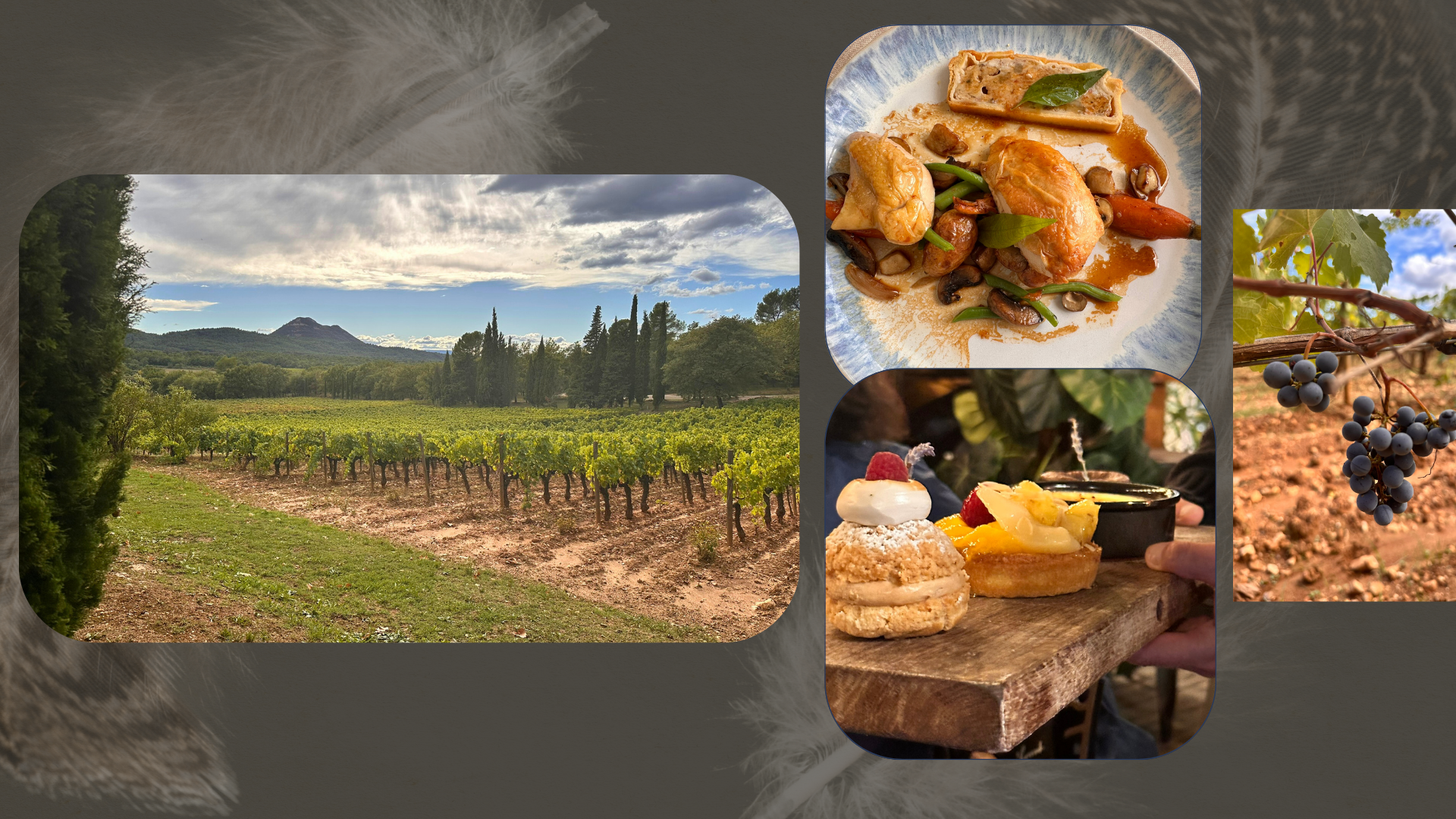
Here’s a short video from our Provence Mary Magdalene Retreat in 2025.